Washington Vintage Retro: A Design Asset Built for Modern Merch
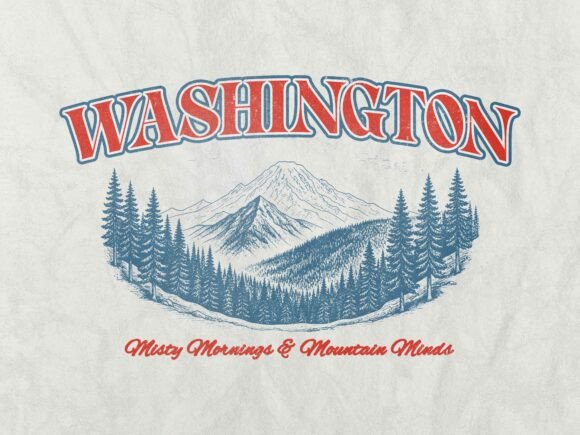
There’s a certain magic in designs that feel both timeless and immediate. You see it on a worn-in concert tee from a legendary show you never attended, or on the faded signage of a classic roadside diner. This aesthetic, a blend of nostalgia and bold, unapologetic character, is precisely what the Washington Vintage Retro Tshirt Design captures. It’s more than just a graphic; it’s a complete, ready-to-deploy creative toolkit for anyone looking to inject authentic retro energy into their projects. Delivered as layered PSD and high-resolution transparent PNGs, it’s engineered for the real-world demands of modern creators, entrepreneurs, and brands.
The Anatomy of a Timeless Aesthetic
What makes a retro design feel genuine rather than like a cheap imitation? It’s in the details. The Washington Vintage Retro design likely employs a carefully curated set of visual cues: a distressed texture that mimics screen-printing on cotton, a color palette drawn from vintage posters or old signage, and typography that harks back to mid-century Americana or the bold styles of the 70s and 80s. This isn't about slapping a filter on a modern vector. It’s about understanding the subtle imperfections—the slight misregistration of colors, the worn edges, the authentic color fading—that give a piece its soul. For a designer, this means you’re starting with a foundation that has built-in character, saving you hours of work trying to artificially age a pristine graphic.
Beyond the T-Shirt: Unleashing the Full Potential
The name suggests a single use, but limiting this asset to apparel is like using a Swiss Army knife only for its main blade. The true value lies in its versatility. The provided files—a PSD (Layered) for maximum editability and a PNG (Transparent Background) at 4000×4000 px—are your keys to a universe of applications.
- Brand Identity & Logo Systems: For a craft brewery, a vintage-inspired barbershop, or a food truck specializing in classic comfort food, this design can serve as the cornerstone of your visual identity. Use elements from the layered file to create a cohesive logo, wordmark, and secondary graphics that tell your brand's story with instant personality.
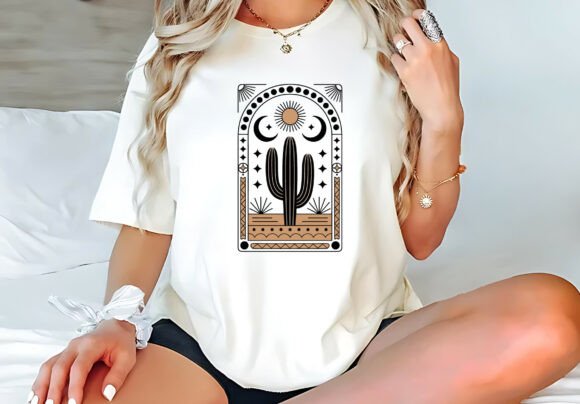
- Packaging & Merchandise: This is where it shines. Imagine this design on a totebag for a bookstore, a hoodie for a local coffee roaster, or a sweater for a band's merch table. The high-resolution PNG ensures crisp printing on everything from stickers and pins to hang tags and product boxes.
- Digital Presence & Marketing: Break through the digital noise. Use the graphic for impactful social media graphics, website hero banners, or email newsletter headers. Its strong visual presence makes it perfect for marketing assets like sale announcements or event posters that need to grab attention quickly.
- Editorial & Print Collateral: Give your blog graphics, magazine layouts, or invitations a distinct point of view. A retro-styled headline treatment or a featured image built with this asset can elevate the entire reader experience, making your content more memorable and shareable.
Strategic Design: Making the Asset Work for Your Goals
Having a powerful asset is one thing; wielding it effectively is another. To integrate the Washington Vintage Retro design seamlessly, think like a brand strategist. The vintage aesthetic communicates specific values: authenticity, craftsmanship, nostalgia, and timelessness. Does that align with your project's message?
Consider your font pairing carefully. If you’re using this as a primary graphic, you’ll need supporting typography for body text or other information. A clean, simple sans serif font often provides excellent contrast, ensuring readability without competing for attention. Alternatively, a complementary serif font can enhance the classic feel. The key is to test combinations—your primary retro graphic is the star, and the supporting type should play a supporting role.
For web design and digital products, remember the context of use. While the design has beautiful texture, ensure that any text overlaid on it remains legible. You might use the full graphic as a background for a poster, but for a website banner with critical information, you might isolate a single element or use the design more subtly as a border or accent.
Practical Considerations for Professional Use
Before you dive in, a few practicalities will ensure a smooth creative process. First, always review the font styles and elements included within the layered PSD file. Is there a separate texture layer? Can you easily change the color scheme? Understanding the file’s structure upfront will make customization far more efficient.
Second, commercial licensing is non-negotiable. A reputable design asset will come with clear terms allowing for commercial use, which is essential for any small business owner, entrepreneur, or creator selling products. Confirm that the license covers your intended use—whether for unlimited physical merchandise sales or digital product distribution.
Finally, don’t be afraid to deconstruct. The layered file is your playground. Maybe you only need the typography. Perhaps the central emblem works perfectly for a sticker design, but the surrounding elements are too much for a simple logo. Isolate, recolor, resize, and remix. This is how a single design asset becomes the seed for an entire visual ecosystem, ensuring visual consistency across all your touchpoints while maintaining a fresh and engaging brand identity.