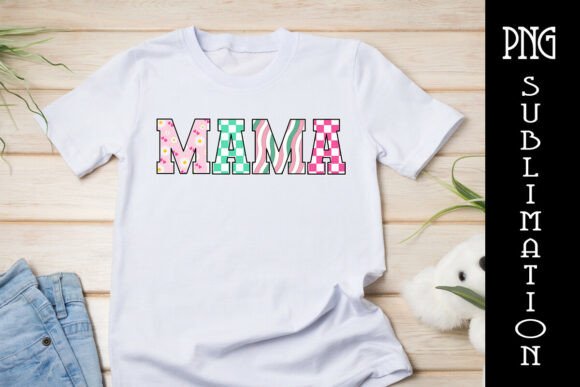
Floral Mama Sublimation Design: A Designer's Guide to Versatile Graphics
There's a moment in every creative project where the visual direction clicks into place. It might be finding the perfect color palette, nailing a layout, or discovering a graphic element that instantly elevates the entire composition. For designers, entrepreneurs, and content creators, those "click" moments are what we live for—they're the difference between a project that feels generic and one that resonates. That's precisely why versatile, high-quality design assets like the Floral Mama Sublimation Design have become indispensable tools in modern creative workflows. This isn't just another floral graphic; it's a springboard for branding, merchandise, and digital storytelling that carries the weight of professional craftsmanship.
Understanding the Visual Appeal and Practical Versatility
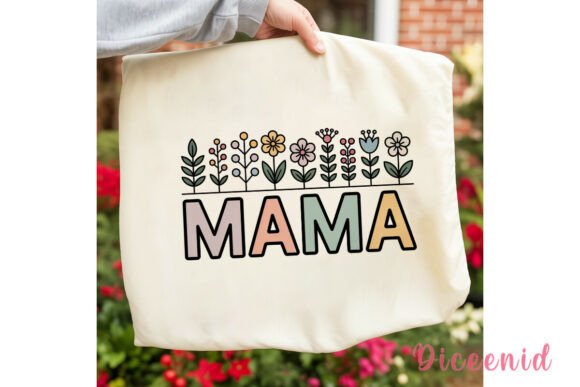
What makes a design asset truly valuable? It's rarely just about aesthetics, though the Floral Mama Sublimation Design certainly delivers there. The intricate floral patterns strike a balance between organic softness and structured elegance, making them adaptable across vastly different contexts. Imagine this design adorning a boutique's product packaging—the delicate petals conveying artisanal quality—or appearing as a bold graphic on a streetwear hoodie, where the floral motif creates an unexpected contrast. The visual language is rich enough to feel premium, yet flexible enough to avoid pigeonholing into a single style category.
The technical specifications matter just as much as the artistic execution. At 4500 x 4500 pixels and 300 DPI, this isn't a low-resolution graphic that falls apart when scaled. Whether you're printing on a small greeting card or enlarging it for a canvas print, the detail remains crisp. That resolution translates directly to professional credibility—no pixelation, no blurry edges, just clean lines and smooth gradients that hold up under scrutiny. For anyone working in merchandise production, print-on-demand services, or even digital marketing, this level of quality eliminates the guesswork and revision cycles that come with inferior assets.
From Digital Files to Physical Products: Where This Design Shines
Let's talk about real-world applications, because that's where the rubber meets the road. The commercial use permission attached to this asset opens doors that many designers and small business owners immediately recognize. You're not just buying a pretty picture; you're investing in a design that can generate revenue across multiple product lines and platforms.
Merchandise and Product Design: The sublimation-ready format makes this particularly suited for physical goods. T-shirts, mugs, pillows, tote bags—these are high-margin products where visual appeal directly influences purchasing decisions. A well-placed floral graphic can transform a basic white tee into a boutique-worthy item, or turn an ordinary ceramic mug into a gift-worthy product. The design's versatility means you can adapt it for seasonal collections, Mother's Day specials, or year-round inventory without needing entirely new artwork.
Branding and Identity Systems: Here's where many creators underutilize their assets. A strong floral motif can become the cornerstone of a brand's visual identity. Think about how a bakery might use this design on packaging, business cards, and social media templates to create a cohesive, recognizable aesthetic. The key is consistency—using the same visual elements across touchpoints builds brand recognition faster than scattered, unrelated graphics. This design's clean lines and balanced composition make it ideal for logo integration, watermarking, or as a background element that supports rather than overwhelms typography.
Digital Presence and Marketing: Social media graphics, website headers, blog post illustrations, email newsletter banners—these are the daily visual touchpoints where brands connect with audiences. A versatile floral design can be cropped, recolored, or layered to create dozens of unique graphics from a single source file. That efficiency is gold for content creators and marketers who need fresh visuals consistently but don't have the budget for custom illustration every time.
Strategic Considerations for Maximum Impact
Having a great design asset is one thing; using it strategically is another. The difference between amateur and professional application often comes down to intentional choices about context, audience, and execution.
Matching Design to Audience: The floral aesthetic carries certain associations—femininity, nature, elegance, celebration—but those aren't limitations. A skilled designer can recontextualize these elements through color manipulation, scale adjustments, or pairing with contrasting typography. Darken the palette and combine with bold sans-serif fonts for a moody, contemporary feel. Keep the original colors and pair with script fonts for a romantic, whimsical direction. The design's adaptability is its strength; your interpretation determines the final message.
Typography Pairing: This is where many projects succeed or fail visually. A complex floral design generally works best with simpler typography—clean sans-serifs, understated serifs, or carefully chosen scripts that don't compete for attention. Test multiple pairings before committing. Does your chosen font maintain readability when overlaid on the design? Does it complement the floral elements' weight and style? Sometimes the most effective approach is using the floral design as a standalone background with text positioned in negative space, allowing both elements to breathe.
Customization Opportunities: The included PNG format allows for straightforward editing in most design software. You can isolate specific floral elements, adjust colors to match brand guidelines, add textures, or combine with other graphics. This customization potential is what separates a single-use purchase from a long-term design asset. Consider creating variations—a simplified version for small-scale applications like favicon or social media icons, and the full version for hero graphics and print materials.
Licensing and Long-Term Value
The commercial licensing included with this purchase deserves attention because it fundamentally changes the asset's value proposition. You're not limited to personal projects or single-use applications. This means a small business owner can create an entire product line using this design. A graphic designer can incorporate it into client work. A content creator can use it across their platform ecosystem without licensing concerns. That freedom translates directly to return on investment—the more you use it, the more value you extract.
Keep in mind that while the license permits broad commercial use, it's always wise to maintain organized records of your licensed assets, especially when working with clients or scaling a product business. Knowing exactly what you have permission to use—and where—prevents headaches down the line and demonstrates professionalism to partners and customers.
The instant download format also deserves mention for its practical benefits. No shipping delays, no physical storage concerns, and immediate access means you can move from concept to execution within minutes. For time-sensitive projects—seasonal promotions, event materials, or client deadlines—this immediacy is invaluable.
Final Thoughts on Building Your Creative Toolkit
Every designer, entrepreneur, and content creator eventually develops a personal library of trusted assets—graphics, fonts, templates, and tools that consistently deliver quality and versatility. The Floral Mama Sublimation Design fits squarely into that category. Its combination of artistic quality, technical specifications, and licensing flexibility makes it more than a one-time purchase; it's a foundational element that can support dozens of projects across your creative or business endeavors.
Whether you're building a brand from scratch, expanding a product line, or simply looking for reliable design assets that won't let you down when deadlines loom, this kind of resource pays for itself quickly. The key is approaching it with intention—understanding its strengths, testing its applications, and integrating it thoughtfully into your broader visual strategy. When those elements align, that satisfying "click" moment becomes less accidental and more inevitable.