Why the Cactus Desert T-Shirt Design Is Your New Go-To Asset
There’s a certain magic in the desert aesthetic—the rugged resilience of the saguaro, the warm tones of sand and terracotta, the endless, sun-bleached sky. It’s a style that speaks of adventure, minimalism, and a touch of bohemian flair. Capturing that vibe for your brand or personal project, however, often requires more than just a good photo. It demands a versatile, high-quality graphic that can adapt to your vision. That’s where a thoughtfully crafted design asset becomes invaluable, transforming a simple concept into a powerful visual tool for everything from apparel to digital marketing.
Beyond the Basic Graphic: A True Creative Workhorse
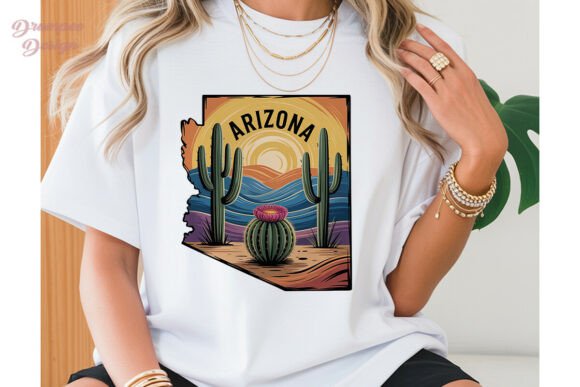
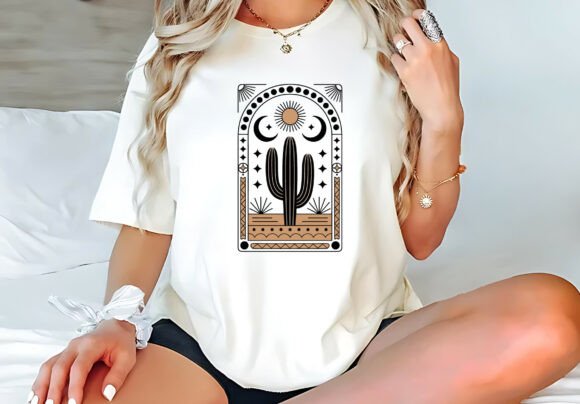
Imagine a design that isn’t just a static image, but a foundation you can build upon. The Cactus Desert T-Shirt Design is exactly that. It’s not merely a picture of a cactus; it’s a vector-based artwork system. This means every element—from the spines on the plant to the layered desert landscape—is fully editable. You can isolate individual components, resize them without any loss of quality, and crucially, change every single color to match your specific brand palette. This level of control is what separates a disposable graphic from a genuine design asset. You’re not buying a finished product; you’re investing in a creative starting point that offers near-limitless possibilities.
Practical Applications That Drive Results
The true value of any design resource is measured by its utility. How many projects can it elevate? This particular desert-themed vector shines across a surprisingly wide range of applications, making it a smart addition to any creator’s toolkit.
- Apparel & Merchandise: This is its native habitat. Use the full design for statement T-shirts, hoodies, or sweaters. Break it apart for subtle sleeve prints or chest logos. The included PNG file is print-ready, while the vector formats (AI, EPS, SVG) ensure your printer gets the sharpest possible output, whether you’re doing screen printing, DTG, or embroidery digitization.
- Brand Identity & Packaging: For brands in the lifestyle, wellness, outdoor, or artisanal food spaces, this design can become a cornerstone of your visual identity. Imagine it as a hero graphic on a shopping bag, a pattern for tissue paper, or the central motif on product packaging for a coffee blend or a skincare line. Its organic feel conveys authenticity and a connection to nature.
- Digital Presence & Marketing: In the digital realm, adaptability is king. Use the cactus illustration as a standout element on your website’s homepage, as a custom icon set by extracting individual elements, or as a captivating background for social media graphics and Instagram Stories. It’s perfect for creating cohesive marketing assets like email headers, digital ads, or blog post featured images that instantly communicate a specific aesthetic.
- Physical & Print Materials: Think beyond the screen. This design is ideal for creating eye-catching posters, canvas art for a studio or retail space, unique sticker sheets, or even decorative throw pillows. For event planners or small businesses, it can be the defining visual for invitations, menus, or thank-you cards, adding a memorable and professional touch.
Achieving Visual Consistency and Professional Polish
One of the biggest challenges in building a brand is maintaining visual consistency across all touchpoints. Using a cohesive design asset like this solves that problem elegantly. By deriving your various materials—from your website favicon to your merchandise—from the same core artwork, you create an instantly recognizable visual language. This repetition builds brand recognition far more effectively than using disparate, unrelated graphics. It tells a cohesive story about your brand’s personality, whether that’s adventurous, serene, or stylishly minimal.
Furthermore, starting with a premium, well-constructed design file saves an immense amount of time and ensures a professional result. You avoid the pixelation issues of low-resolution JPEGs or the limitations of basic clipart. The files provided (AI, EPS, SVG, PNG) cover all the bases for both print and digital workflows, meaning you can hand them off to a printer or load them into any major design software—Adobe Illustrator, Photoshop, Canva, Figma, Procreate—with confidence.
Making It Your Own: Practical Tips for Customization
Having an editable file is one thing; using it effectively is another. Here’s how to get the most out of this versatile design.
Color is Your First Lever. Don’t feel bound by the default palette. Swap the greens for deep blues for a night-desert vibe, use pastels for a softer, feminine approach, or apply your exact brand hex codes to make it unmistakably yours. This single change can completely shift the design’s mood and application.
Deconstruct and Reconstruct. Open the vector file and ungroup the elements. You might find that the standalone cactus silhouette is perfect for a minimalist logo, while the full scene works best for a large poster. Use just the sun or the mountain range as supporting elements elsewhere in your designs. This modular approach multiplies the asset’s value exponentially.
Consider Context and Pairing. A bold, graphic design like this pairs beautifully with clean, simple typography. For a T-shirt, a strong sans-serif or a rustic slab serif font can complement the theme without competing. For packaging, a elegant script font might add a touch of artisanal craft. Always test your font pairings at the intended size to ensure readability remains paramount, especially for text-heavy applications like blogs or marketing collateral.
Think About the End Use. If the design is for a T-shirt, visualize it on the actual garment. Will it work as a large front print or a smaller left-chest logo? For social media, consider how it will crop in a square or vertical format. Planning for the final medium ensures your customized design will look intentional and polished, not like an afterthought.
A Smart Investment for Creative Professionals
For the entrepreneur, the small business owner, or the independent creator, time and resources are finite. Investing in a high-quality, multi-format design asset is a strategic decision. It provides a professional starting point that can be legally used for commercial projects, eliminating the risk of copyright issues that come with unlicensed images. It streamlines your workflow, allowing you to produce on-brand materials quickly and efficiently. Ultimately, it’s about having the right tools at your disposal to communicate your vision with clarity and style, whether you’re launching a product line, building an online presence, or simply creating something beautiful for its own sake.